
Transforming a living room doesn’t always require new furniture or a full renovation. Often, it’s the walls that hold the most untapped potential. Thoughtfully designed custom wall shelves can add structure, warmth, and intention, while giving you space to display the pieces that make a room feel lived-in and personal.
From floating shelves that read like architectural details to shelving that frames a fireplace or media wall, well-planned shelving can subtly reshape how a living room looks and functions. When designed with care, shelves feel integrated rather than added on.
This guide explores timeless living room shelving ideas, along with practical considerations to help you design shelves that feel balanced, useful, and enduring.
Timeless Living Room Shelving Ideas
Living room shelving often serves two roles at once. It provides storage and display space while acting as a visual feature that brings cohesion to the room.
Floating Shelves
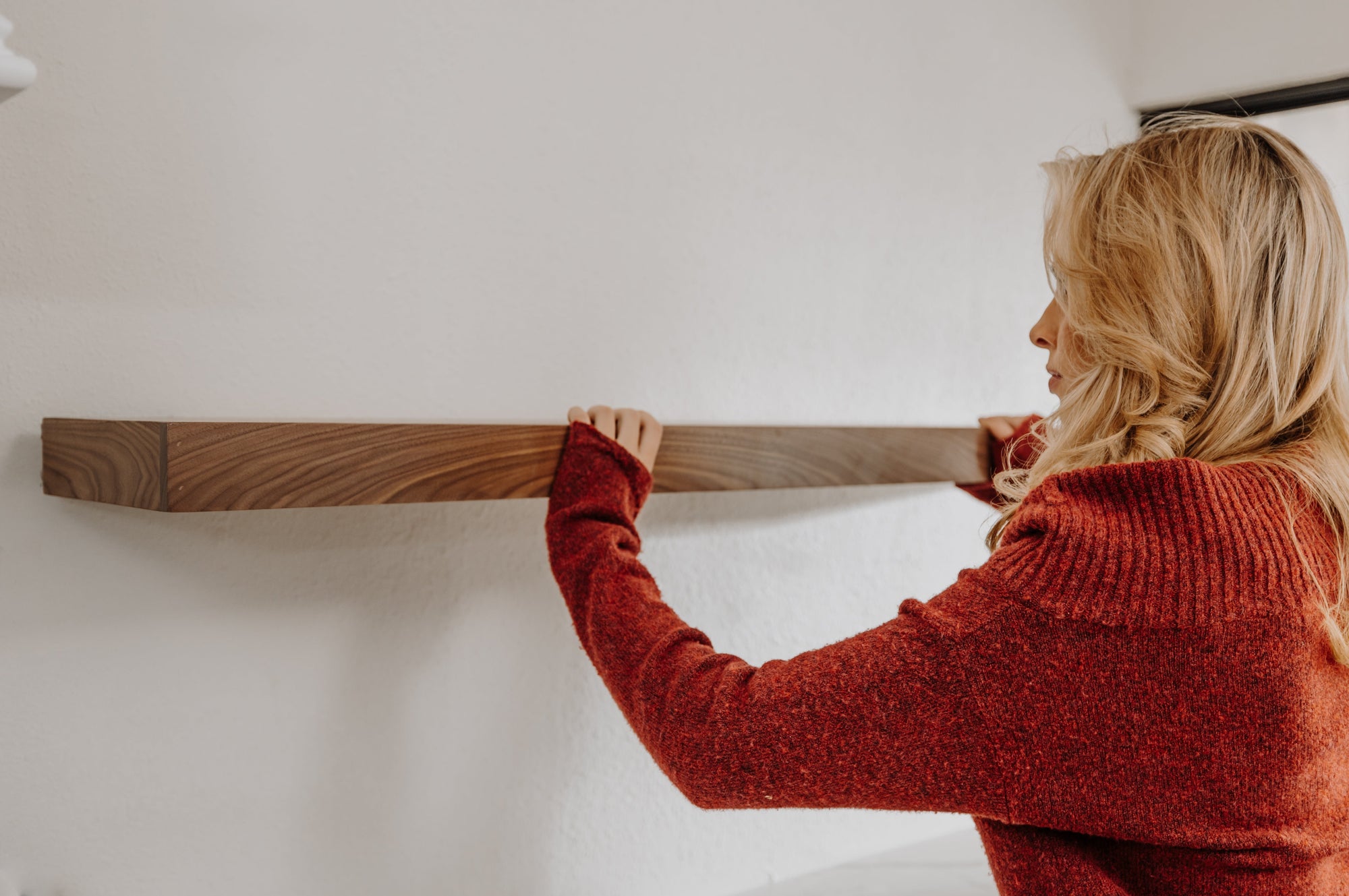
Floating shelves with concealed mounting hardware offer a clean, modern profile. Without visible brackets, the shelves appear to sit effortlessly on the wall, allowing the wood and the objects styled on top to take center stage.
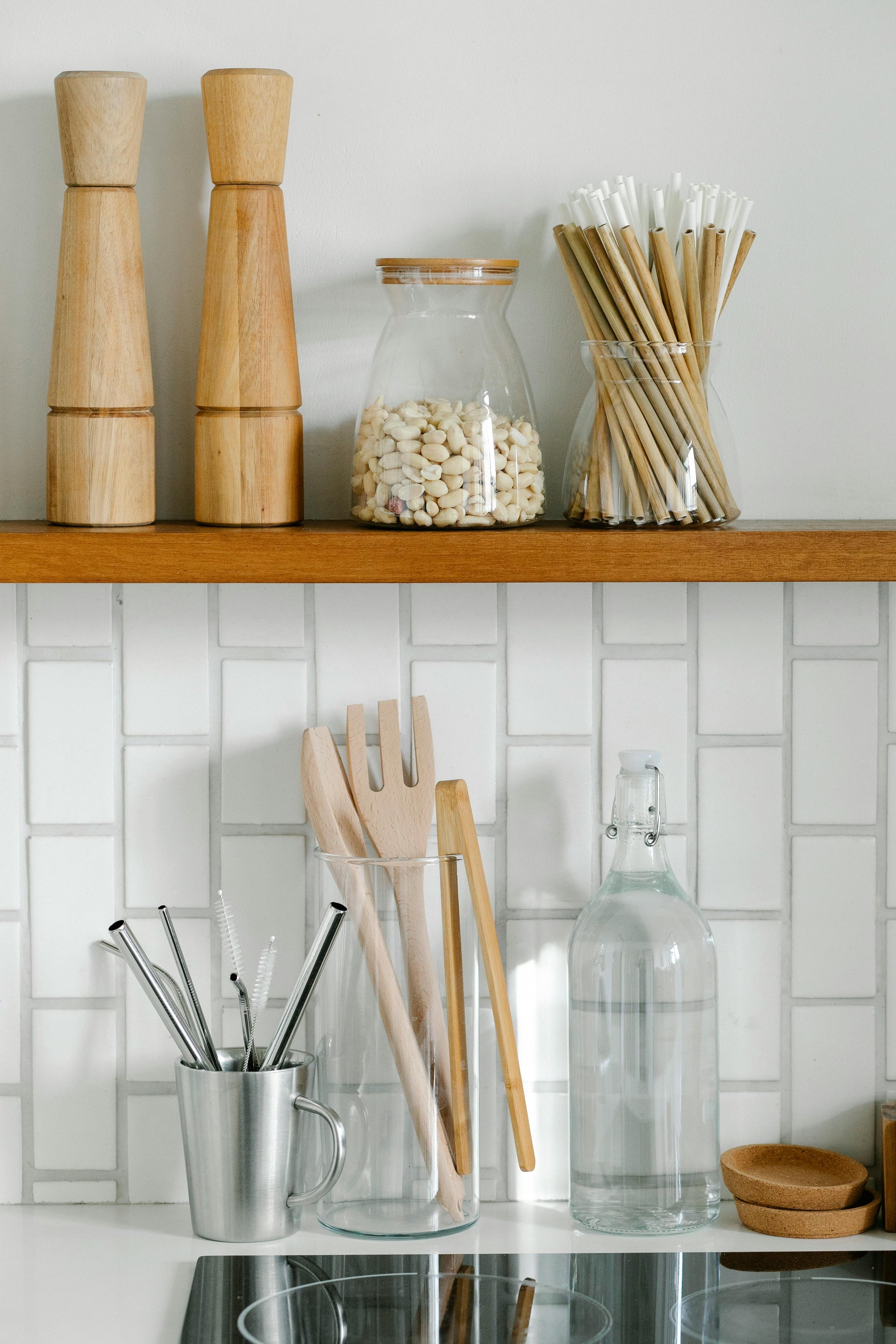
These shelves work especially well in open-plan living areas or smaller rooms where visual lightness matters. Like the best open shelving ideas for kitchens, floating shelves in living rooms feel approachable and adaptable, offering function without heaviness.
Framing Shelves
Using custom wall shelves to frame a fireplace or television creates symmetry and gives the room a clear focal point. Instead of leaving these features isolated on a large wall, framing shelves help anchor them within the space.
This approach also adds practical surface area for items you naturally want nearby, such as books, decorative objects, or media accessories, all while maintaining a sense of balance.
Asymmetrical Shelves
Asymmetrical shelving introduces movement and personality, making it ideal for relaxed or design-forward interiors. Varying shelf lengths, spacing, or placement creates visual interest and encourages more creative styling.
When planned intentionally, asymmetry feels organic rather than chaotic, much like curated open shelving ideas for kitchens that mix function with personality.
Wood Shelves
Wood shelves bring warmth and depth to living rooms, grounding the space and softening hard edges. Natural grain and subtle variation add texture that works beautifully against painted walls, plaster finishes, or stone features.
Placed near seating areas or along a feature wall, wood shelving can act as both a functional element and a quiet statement piece.
What to Consider When Designing Living Room Shelving
Thoughtful planning makes the difference between shelves that feel effortless and shelves that feel out of place.
Think About Balance
Shelves should relate to the scale of the wall, nearby furniture, and the objects they’ll hold. Oversized shelves can overwhelm a room, while shelves that are too small can feel disconnected.
Allow for negative space. Empty areas help draw attention to the shelves and the items displayed, creating a more composed and restful visual experience.
Consider Function, Even in Decorative Spaces
Living rooms aren’t purely utilitarian, and shelving doesn’t need to be either. Shelves can exist solely to display art, books, or collected objects.
That said, subtle functionality still matters. Even decorative shelves can support everyday needs, from holding remotes to keeping frequently used items within reach.
Be Intentional With Materials
The materials and finishes you choose should complement the room’s existing palette. Look at flooring, furniture, and wall treatments, then select shelving that adds to the layered look rather than competing with it.
Wood type, stain, and finish all influence how shelves feel, whether you’re aiming for warm and traditional or clean and contemporary.
How to Design Living Room Shelving That Feels Personal
Designing shelving becomes much more manageable when you start with a few key questions:
-
What will the shelves primarily be used for?
-
How large do they need to be to suit the wall and surrounding furniture?
-
Where will they be placed in the room?
-
Which materials and finishes best suit the space?
-
How should they be installed for a clean, seamless look?
Working with a custom maker like Lyons Crafted allows these decisions to be addressed upfront. Our custom wall shelves are made to order, allowing you to choose dimensions, wood type, and finish that fit your space exactly.
Once designed, shelves are built to your specifications and delivered ready to install. With a concealed mounting system, installation is straightforward, and shelves can be adjusted later as your space evolves.
Thoughtfully designed shelving doesn’t just fill a wall. It adds rhythm, warmth, and quiet character, helping a living room feel finished in a way that stands the test of time.